


Half a Day Tour
Overview
The experience at the Maras Salt Mines and Moray is unique and perfect for enjoying the grandeur of two very important places: the impressive circular terraces of Moray and the fascinating natural salt mines of Maras. Both places played an important role during the time of the Incas, with Moray serving the function of seed acclimatization for distribution across different altitudinal levels, while the salt from Maras was crucial for trade.
This experience is designed for people of all ages; whether you’re traveling solo, with a partner, friends, or family. Get to know new people and share unforgettable emotions
AT A GLANCE:
- 08:30 – 08:45 Pick up from your hotel and transfer in tourist transportation.
- 09:00-10:00 Visit the textile interpretation center in Chinchero.
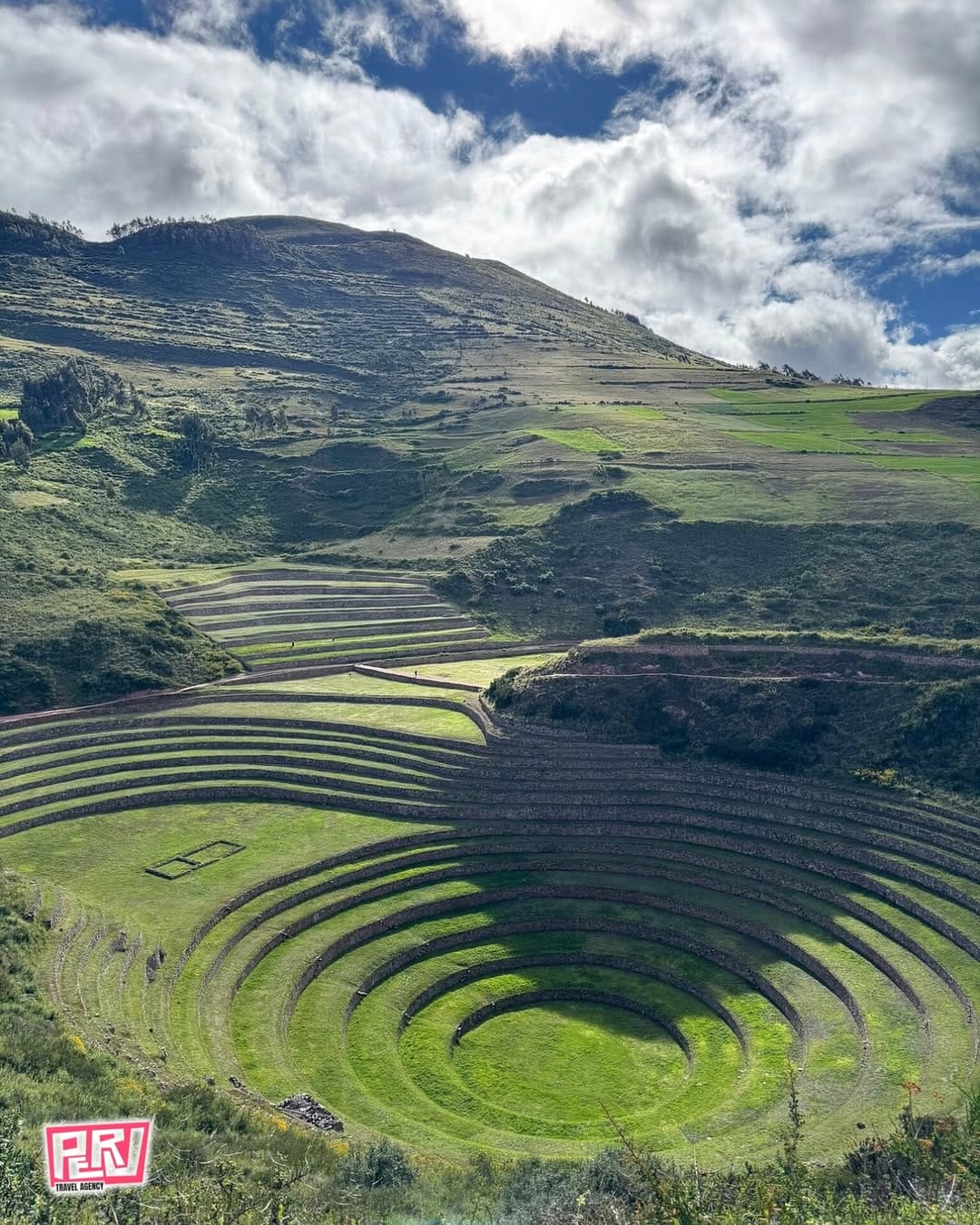
- 11:00-12:00 Visit the circular terraces of Moray.
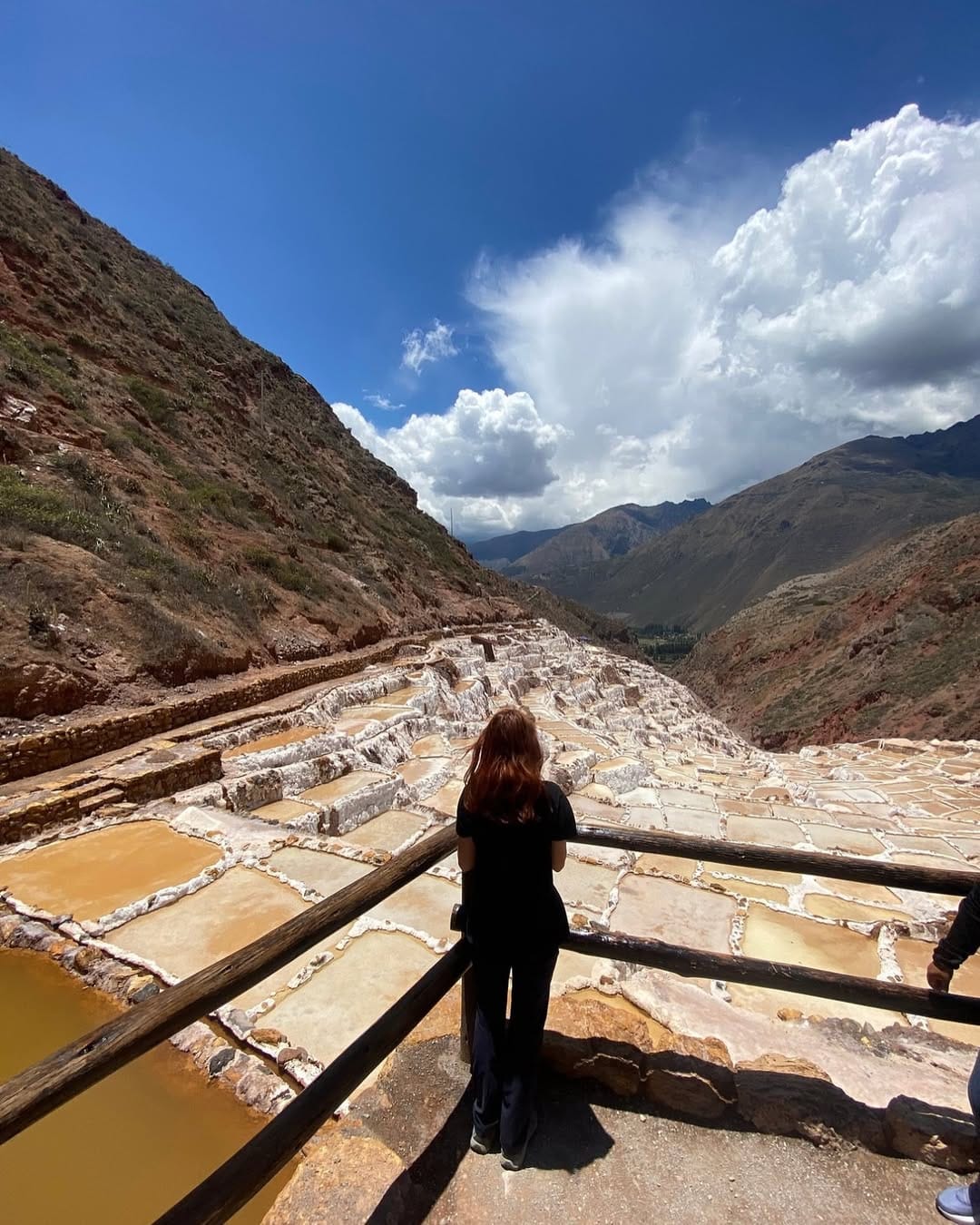
- 12:00-13:00 Visit the natural salt mines of Maras.
- 01:30- 02:30 Return trip to Cusco.
- The final point in Cusco is at Plaza San Francisco at approximately 2:30 pm.
Maras and Moray were two very important places during the time of the Incas due to their respective uses. Nowadays, these magical places showcase their best versions through experimental practices and trade. This experience allows us to discover:
Maras: The town was founded by the Spanish in 1556 and played a vital role during the viceroyalty as the main supplier of salt in the Andes. Currently, the Maras salt mines consist of approximately 4,500 salt pools arranged in terraced steps. The salt production process in Maras remains strictly communal, with no external involvement. It involves filling clean pools with saltwater from a spring, guided by a system of channels. This liquid is left to evaporate for three days, repeating this practice for a month. During this period, a layer of crystallized salt with a thickness of 7 to 10 centimeters is achieved. The salt is extracted in layers, resulting in different commercial grades: the first, is for domestic use. The second, of lower quality, is known as “first-grade salt”. Finally, the third, called “industrial salt”, is used for industrial, agricultural, and livestock purposes.
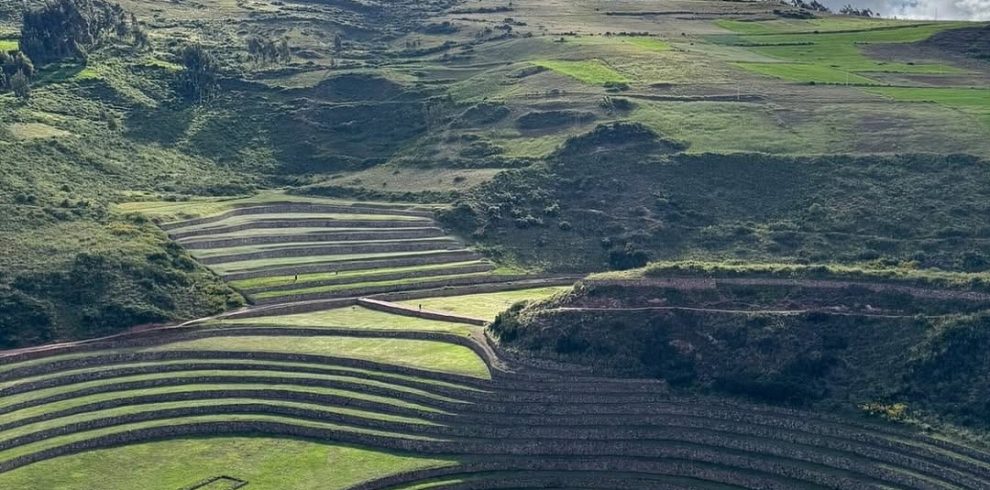
Moray: An archaeological complex located at 3,500 meters above sea level, famous for its platforms arranged in concentric rings that create a visually stunning spectacle, where the symmetry of its forms blends astonishingly with the vibrant greenery of the surrounding vegetation. This panoramic view is a breathtaking experience and pays tribute to the exceptional skill of the ancient Inca builders. According to research, this place served the function of adapting seeds of various products to the different altitudinal levels in the Sacred Valley. This allowed for a wide variety of products in each location and also gave rise to new varieties. The use of spectral thermometers determined that each circular terrace has a different temperature, enabling more efficient adaptation as the climate in the entire region is always changing.Chinchero: Textile activity was another key foundation within the Inca civilization, and that’s why the town of Chinchero stands out. Its tradition of working with Alpaca wool, from obtaining it,washing, dyeing, and spinning, has been passed down from generation to generation. This town also has its history over the years. Initially, the tenth Inca, Tupac Yupanqui, designated his palace to live in this place. With the passage of time and the arrival of the Spanish, the Temple to the Virgin of Monserrat was built on this site. During the colonial period, this was also the residence of Mateo Pumacahua. Today, this picturesque town has much to show the world with its beautiful temple featuring paintings by famous Cusco artists like Diego Quispe Tito and Francisco Chihuantito. You’ll also find numerous terraces and a large esplanade that finely adorn its surroundings.
Clothes:
Rain poncho, waterproof jacket, T-shirts, sun hat, Gloves, scarf, Sneakers.
Health and Care:
Sunscreen, sunglasses, sun hat, Bottled water, Personal medication.
Useful Items:
Passport, Cash in soles, Camera.
PRICES:
GROUP TOUR
- FROM $50.00 (Group site from 8 to 18 people)
PRIVATE TOUR
- FROM $95.00 (02 people minimun for this option)
What’s included?
INCLUDED:
- • Professional English speaking Tour Guide.
- • All Transfers from and to your hotel.
- • Entrance tickets to all places we visit.
- • Buffet lunch in the Sacred Valley of the Incas.
NOT INCLUDED:
- • Meals not mentioned in the package.
- • Tips or extra expenses.
Frequently Asked Questions
It is not mandatory; you can access the archaeological sites by presenting your Partial Tourist Ticket (BTP) or General Tourist Ticket (BTG). However, it is recommended to have the support of a reliable and formal travel agency that guides you during the experience and ensures a hassle-free visit.
Not at all! Most of the time, we travel by vehicle to the access points. Only in the archaeological sites, we will need a moderate effort to reach the top, using traditional stairs
Cusco offers a variety of captivating climates throughout the year. Two seasons stand out:
- Dry Season (April – October): Sunny and pleasant days with infrequent rains, ideal for enjoying the scenery and a favorite choice for many travelers.
- Rainy Season (November – March): Although rains are more common, the nature of the Sacred Valley and its surroundings takes on a more vivid tone. Additionally, being less crowded, spaces are more available for us.
These tips and key details will help you plan your travel experience informedly and make the most of your visit in each season